
Reconciliation survives the loss of a trusted peacemaker only when the community accepts shared responsibility for it. Humble leaders can guide that work, but no individual can carry everyone’s courage, restraint, and willingness to repair what has been broken.
On April 4, 1968, Martin Luther King Jr. was assassinated at the Lorraine Motel in Memphis, Tennessee. He had come to support the city’s striking sanitation workers. His death removed the movement’s most recognized leader while the dispute remained unresolved.
The workers still had families to support, grievances to address, and a strike to finish. The question was no longer whether King could help them reach an agreement. The question was whether local workers, ministers, organizers, and supporters would continue without him.
The work continued after the leader was gone
King’s presence mattered. So did the work already being done by people whose names were less familiar outside Memphis.
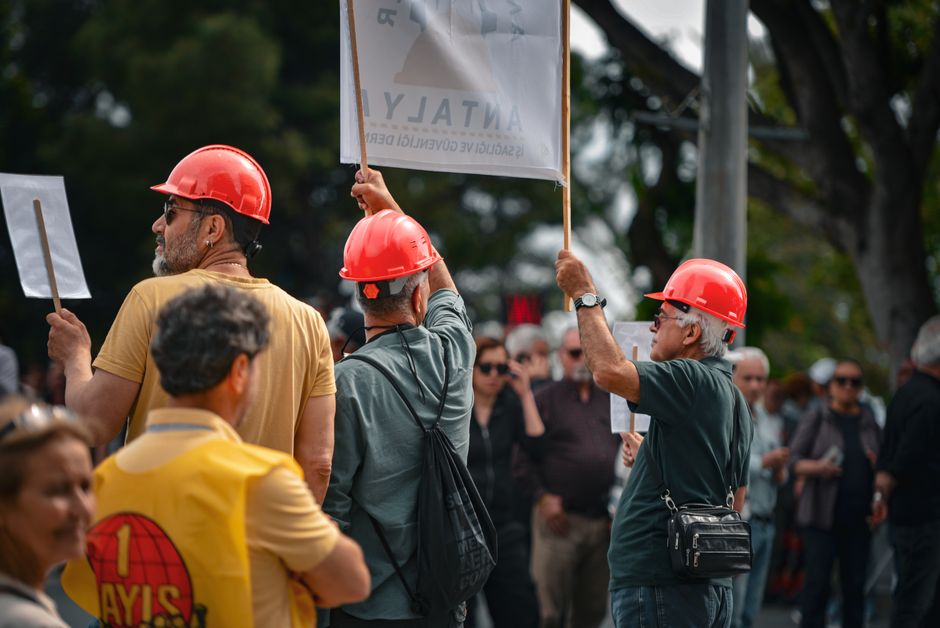
The sanitation workers had begun their strike in February 1968 after the deaths of Echol Cole and Robert Walker, two workers killed when a garbage truck malfunctioned. Workers sought safer conditions, better treatment, and union recognition. Their “I AM A MAN” signs expressed a claim to dignity that could not depend on one visitor, however influential.
After King’s assassination, Ralph Abernathy and other leaders continued supporting the campaign. Local organizers, clergy, workers, and their families also kept going. The strike ended later that month with an agreement that included union recognition and wage increases.
The National Civil Rights Museum documents the strike and King’s final days in Memphis. Its account resists the tempting version of history in which one celebrated figure arrives and solves a community’s conflict. King strengthened the cause and paid an immeasurable price. Yet the workers had acted before he came, and others carried the work after he died.
That pattern matters for churches, teams, families, and neighborhoods. A respected mediator may help people speak honestly, lower the temperature, or return to the same table. Lasting reconciliation requires more than access to that person. It requires a community whose members have learned to practice truth, repentance, patience, boundaries, and repair.
Reframe what you expect reconciliation to give you
A repeated behavior often grows from the benefit we expect it to deliver. In conflict, avoidance may promise relief. Winning may promise safety. Recruiting the peacemaker may promise escape from the discomfort of speaking directly and listening carefully.
Those anticipated rewards shape conduct. If peace means “someone else will make this tension disappear,” the community develops dependence. If peace means “we will tell the truth, protect the vulnerable, accept correction, and pursue repair,” people can begin practicing responsibility together.
This reframing does not guarantee agreement. It cannot make another person repent, restore trust on demand, or remove the need for consequences. Some relationships require distance and firm boundaries. Reconciliation should never become pressure for an injured person to return to danger or pretend that serious harm was minor.
The useful action is smaller and more honest: identify the reward you are chasing in the conflict. Do you want relief, vindication, control, restored trust, or protection from embarrassment? Then ask whether your chosen behavior can actually produce that good without shifting its cost onto someone else.
This is where habit wisdom can serve spiritual formation, with limits. Changing a cue or reframing an anticipated benefit may help us choose a better response. It cannot replace justice, pastoral care, professional support, or another person’s free decision.
Humble leadership distributes responsibility
Jesus taught a form of leadership grounded in service rather than status. He also gave his followers practices for addressing wrongdoing within the community. The New Testament’s repeated commands to bear with, forgive, confess, encourage, warn, and restore one another are plural responsibilities.
A humble leader therefore does more than settle disputes. The leader helps people develop the capacity to face them faithfully.
That might mean asking each person to describe the issue without assigning motives. It might mean slowing a meeting so the quietest participant can speak. It might mean naming where authority is unequal. It can also mean refusing the flattering role of indispensable rescuer.
The same principle appears in Jesus taking the servant’s place before his arrest: Christian authority bends toward service. Service, however, does not require one leader to absorb every unresolved conflict.
Shared responsibility also protects the community when a trusted person leaves, becomes ill, dies, or reaches the limits of their influence. The goal is not to replace one hero with another. It is to form people who know their part.
Give the next conflict more than one keeper
Before the next difficult conversation, name three responsibilities.
One person can prepare accurate facts. Another can protect a fair process. Each participant can own one truthful sentence, one sincere question, and one action they will take afterward. Where harm is serious, someone must also identify the appropriate safeguarding or accountability process.
Do this while relationships are stable. A community cannot wait until its peacemaker is unavailable to discover that nobody else knows how repair begins.
Memphis did not become free of conflict after April 1968. The sanitation strike’s resolution did show something narrower and durable: a leader’s death did not erase the workers’ agency or the community’s unfinished duty.
At your next team, church, or family meeting, write down the name of the person everyone expects to keep the peace. Then assign one reconciliation practice to every person in the room. The peacemaker can still guide the work. The burden should no longer rest on one pair of shoulders.
Comments
No comments yet.