
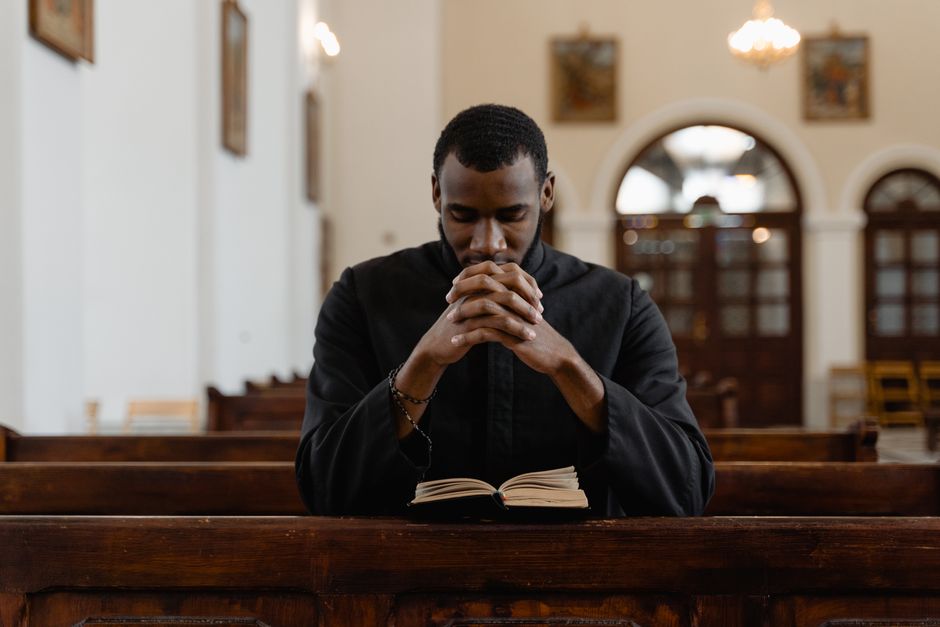
The shrinking pastor pipeline points to a vocation crisis shaped by cost, exhaustion, changing church expectations, and uncertainty about the future. People who still feel called to ministry need honest discernment, wise preparation, and churches willing to nurture vocation without treating burnout as proof of faithfulness.
At 6:40 on a Tuesday morning, Marcus sat in his car outside a seminary admissions office, holding a folder with one page missing. He had already rewritten his personal statement twice. His wife was waiting for his answer about whether they could afford another year of study, and his pastor had told him the church needed help immediately.
Marcus had imagined calling as a clear internal certainty. Instead, it had become a decision with rent, childcare, debt, and a tired congregation attached to it. If he walked away, he feared he was disobeying God. If he moved ahead without counting the cost, he feared he would place his family under pressure they had never agreed to carry.
The application deadline was close enough to feel real. The missing page might mean waiting another cycle. For a few minutes, ministry felt less like a calling than a door that could quietly close.
Then Marcus called an older pastor who had agreed to mentor him. The mentor did not offer a dramatic answer. He asked Marcus to name what he believed, what his family could carry, what training he needed, and what kind of service he was actually being drawn toward. They made a plan for the next conversation, not a promise about the next decade.
By lunchtime, the missing page was still missing. Marcus was still uncertain. Yet he had moved from panic toward responsibility. That distinction matters for anyone trying to discern ministry today.
Calling needs more than intensity
A strong desire to serve can be meaningful, but intensity alone cannot carry a person through the demands of ministry. Calling requires prayer, character, competence, community, and a willingness to receive correction.
The shrinking pipeline may reveal that fewer people are willing to accept the old picture of pastoral work: constant availability, blurred boundaries, modest financial security, and the expectation that one person can absorb every need in a congregation. Some may be rejecting ministry itself. Others may be rejecting a model of ministry that leaves little room for family, rest, healthy leadership, or honest limits.
That distinction deserves care. Churches should listen before they recruit. A person who says, “I feel called,” may need encouragement. They may also need questions that protect them from confusing guilt with obedience or admiration with vocation.
A wise process asks what kind of ministry the person is considering, which gifts have been recognized by others, what formation is needed, and whether the surrounding church community can offer supervision and support.
The cost of ministry belongs in the conversation
Ministry has always involved sacrifice. Scripture speaks clearly about service, endurance, humility, and costly love. It also gives us rhythms of rest, limits, community, and care for the body. Faithfulness cannot be measured by how completely a person ignores those gifts.
For churches, this means discussing practical realities before someone enters a training program. What will theological education cost? Who will provide mentoring? How will the church respond when a pastor needs a day off, professional care, or a season of reduced responsibility? What happens when the congregation has more needs than one leader can meet?
These questions do not weaken a calling. They help test whether the proposed path can be lived with integrity.
People considering ministry also need permission to distinguish perseverance from repetition. Sometimes staying faithful means continuing through difficulty. Sometimes it means changing the method, seeking counsel, receiving further training, or acknowledging that a particular role is damaging the person and the people they serve.
Churches can cultivate vocation without consuming people
A healthier pastor pipeline will not be built by persuading more exhausted people to accept heavier loads. It will grow through ordinary practices of recognition and formation.
Invite younger believers into meaningful service, then observe how they handle responsibility, conflict, feedback, and hidden work. Pair emerging leaders with mentors who can speak honestly about both joy and strain. Make room for women and men to explore gifts across different forms of ministry. Let people serve before demanding that they adopt a lifelong title.
Church leaders can also name the limits of their own roles. A pastor who says, “I cannot carry this alone,” may be demonstrating mature leadership. A congregation that responds with shared responsibility is practicing the kind of community ministry requires.
Marcus eventually returned to the application. Before submitting it, he talked with his wife again. They did not solve every financial question. They did agree on what they would need to revisit, whom they would ask for counsel, and which warning signs would require them to pause.
That conversation did not make his path simple. It made the path more truthful.
If you feel called to ministry, begin with the next responsible step. Speak with people who know your character, examine the costs with your household, seek formation from a trustworthy church, and pay attention to the difference between holy conviction and fear-driven pressure. You may also find it helpful to consider how [a pastor can stay faithful when ministry leaves them exhausted](\/blog\/how-can-a-pastor-stay-faithful-when-calling-remains-clear-but-ministry-leaves-them-exhausted-42be205a\/) and why [rest belongs within faithful ministry](\/blog\/ministry-rest-what-apollo-13-taught-about-faithful-limits-9bc408be\/).
A calling does not need to be protected by pretending the work will never hurt. It needs to be tested in the company of wise people, shaped by truth, and pursued in a way that leaves room for love to remain.
Comments
No comments yet.