
The first decision after a raise often becomes the baseline for every paycheque that follows. Allocate the increase before upgrading your lifestyle, and future spending is less likely to absorb money you meant to save, give, or use for greater stability.
Picture Lena, an illustrative composite, standing in a Manchester electronics shop at 6:40 on a Thursday evening. Her first raised paycheque had arrived that morning, and she was holding a boxed television while calculating whether the monthly payment would fit.
It would. Barely.
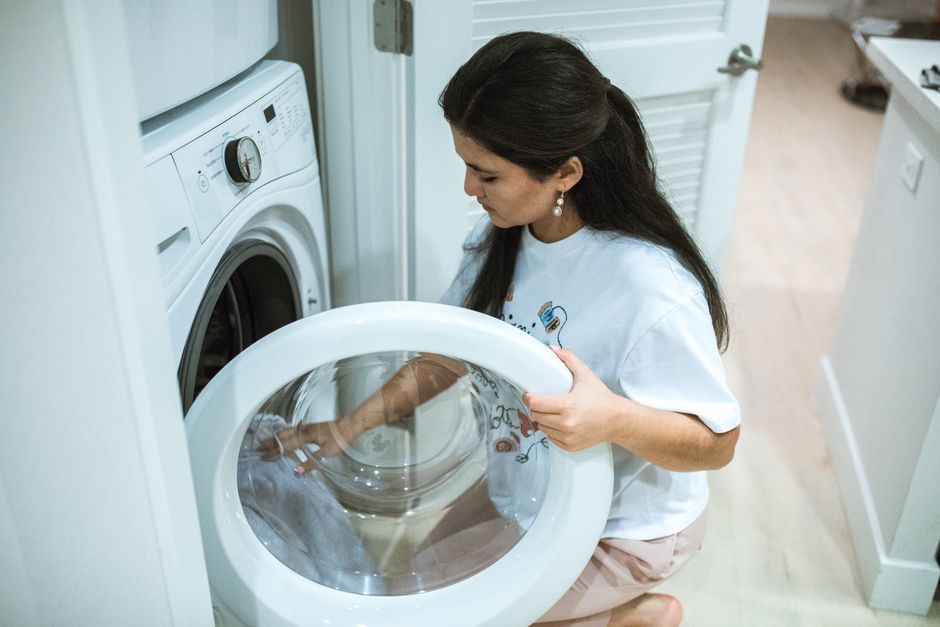
Her washing machine had started making a grinding sound, her emergency savings could not cover a replacement, and payday was still weeks away. If the machine failed, she would have to borrow money or miss another obligation. Yet the television felt affordable because her new salary had already changed what “normal” spending looked like.
She put the box back.
Your first allocation creates a new normal
A raise creates a brief gap between what you earn and what you have learned to spend. That gap rarely stays empty.
The first few paycheques teach you what your new income is for. If the increase immediately becomes a larger car payment, more expensive meals, or another subscription, those costs soon feel ordinary. Future decisions begin from that higher reference point.
This does not require reckless spending. A series of reasonable upgrades can consume the entire raise: a better phone contract, more frequent deliveries, a nicer holiday, and a vehicle chosen partly for the image it projects. Each purchase may fit the monthly budget. Together, they can leave your financial position almost unchanged.
That is how a higher income can coexist with continued fragility. Sarah’s six-figure salary and $4,000 in savings explores the same tension from another angle.
Decide what the raise must do before spending it
The most useful time to assign a raise is before the first increased paycheque arrives. Give each portion a purpose while your previous income still feels normal.
You might direct part of the increase toward an emergency reserve, long-term saving, debt repayment, generosity, or a foreseeable family expense. You may also choose something enjoyable. The point is to decide deliberately, with the whole increase visible, instead of allowing small commitments to claim it one purchase at a time.
Consider the total cost of an upgrade rather than its monthly payment alone. A newer vehicle may bring insurance, maintenance, financing, and the lost growth of money that could have remained invested. A larger home may bring higher running costs and more rooms to furnish. The price tag starts the calculation; it does not finish it.
This approach does not shame ordinary enjoyment. Stewardship includes receiving good things with gratitude. It also asks whether today’s upgrade quietly weakens tomorrow’s ability to withstand trouble, help someone, change jobs, or rest without fear.
Status can spend money before you notice
Some purchases provide genuine usefulness and pleasure. Others perform a social job: they tell colleagues, relatives, neighbours, or strangers that you are doing well.
That signal can become expensive because it must be maintained. Once the upgraded car, wardrobe, or neighbourhood becomes part of your identity, stepping back may feel like failure. The payment has moved from your bank account into your sense of status.
Christian stewardship offers a steadier reference point. Resources are entrusted to us, so the question extends beyond “Can I afford the payment?” We can also ask, “What good could this money do, what risk could it absorb, and what desire is shaping this choice?”
Wealth remains uncertain, and visible consumption cannot provide security or identity. Quiet financial margin may look unimpressive from the pavement, but it can protect a household, create room for generous action, and reduce the pressure to tolerate dishonest or damaging work.
Make the next paycheque follow your decision
Lena went home without the television and changed the automatic transfers scheduled for payday. One portion of her raise would build the reserve for repairs. Another would support regular giving. She left a smaller amount available for meals out and other pleasures she genuinely valued.
Two weeks later, the washing machine stopped during a load. The repair still annoyed her, but it no longer threatened the rest of the month. She paid for it from the growing reserve and kept her other commitments.
Before your next raised paycheque arrives, write down the amount of the increase after deductions. Assign the saving, giving, debt repayment, and spending portions in advance. Automate what you can, then wait before adding any recurring cost.
The first allocation does not lock you into a joyless budget. It gives your values the first claim, while the money still feels new.
This is general financial education, not personalized financial, tax, or legal advice.
Comments
No comments yet.