
A meaningful morning can begin before motivation arrives. Choose one responsible action within your limits, do it with care, and let hope coexist with fatigue, grief, or uncertainty.
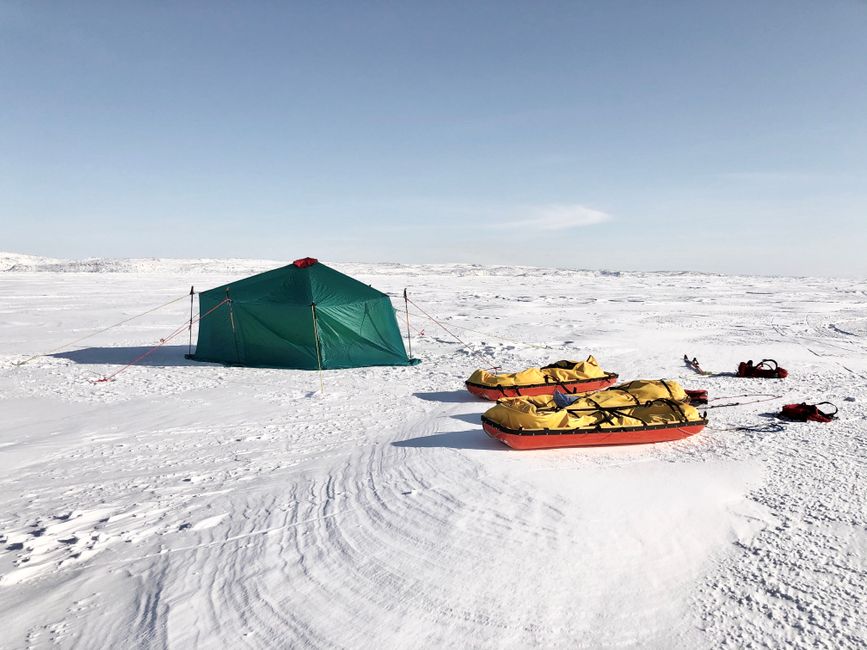
In 1915, Ernest Shackleton and the crew of the Endurance faced a morning with no clear route home. Their ship had become trapped in Antarctic pack ice and was eventually crushed. The expedition’s original goal was gone. Survival now depended on ordinary duties performed under extraordinary pressure.
When the larger plan has already failed
Shackleton could not promise his crew that the ice would release them or that rescue would come soon. He could help preserve a structure for the day.
The men maintained work assignments, shared meals, cared for equipment, and kept watch. These actions did not solve the whole crisis. They addressed what the morning required.
Shackleton documented the expedition in South, published in 1919. His account records a long period when progress was uncertain and daily responsibilities still mattered. After abandoning the ship, the crew camped on the ice, reached Elephant Island, and waited while Shackleton and five others attempted the dangerous journey to South Georgia. The outcome remained unresolved for months.
That is the shape of a faithful morning. You may wake with a plan that has already failed. Sleep was poor. The diagnosis remains. The apology has not been accepted. Work feels unstable. Prayer feels thin. Yet one honest responsibility still lies within reach.
Faithfulness begins there.
Hope can tell the truth about pain
Biblical hope does not require cheerful feelings before breakfast. Scripture repeatedly places hope beside lament, waiting, fear, and weakness. The Psalms speak openly about distress while continuing to address God. Lamentations names devastation and still recalls grounds for hope. In Gethsemane, Jesus does not disguise anguish.
Viktor Frankl later used the phrase “tragic optimism” for a posture that affirms meaning while facing pain, guilt, and mortality. That observation needs careful limits. Meaning does not make suffering good. A disciplined routine cannot prevent illness, erase grief, end poverty, heal trauma, or overcome every external barrier.
It can still shape your next response.
This distinction protects morning discipline from becoming a verdict on your character. If you cannot complete an ambitious routine, you have not failed at hope. Some mornings, responsibility means getting out of bed and drinking water. On another, it means taking prescribed medicine, feeding a child, answering one necessary message, or asking someone for help.
The action may look small because your capacity is small today. Honest limits do not make it meaningless.
Choose the duty nearest to you
A useful morning practice needs enough structure to guide you and enough mercy to survive real life. Begin with one action that serves love, work, health, or worship.
You might read a short passage of Scripture and write one sentence about how you will respond. You might prepare the document needed for the day’s first meeting. You might place your phone across the room for ten minutes while you pray, wash, or eat. If yesterday’s plan collapsed, restart the broken streak with a smaller honest step.
Then name the limitation.
“I have twenty minutes.”
“My concentration is poor.”
“I need help with this.”
“I can make the call, but I cannot control the answer.”
That final sentence matters. Responsibility concerns your action. Control does not extend to every result.
Shackleton’s crew could maintain equipment, ration supplies, and carry out assigned work. They could not command the ice or guarantee rescue. Their duties mattered precisely because the outcome remained uncertain.
Your stakes may be far smaller, and the comparison should remain modest. The shared mechanism is simple: when the larger outcome is beyond your control, the next responsible action gives your values a physical form.
Let action carry what emotion cannot
Motivation can follow action, but it may not. You might complete the task and still feel tired. The fog may remain. Christian faithfulness offers something sturdier than a promise of immediate emotional reward: the opportunity to act truthfully before God with the strength available today.
Before sunrise tomorrow, resist building a heroic routine. Choose one action that takes ten minutes or less. Make it visible tonight. Put the book on the table. Write the phone number on paper. Set out the medication. Open the document and leave the next task at the top.
When morning comes, do that action before judging the whole day.
Shackleton did not know, during those Antarctic mornings, exactly how the expedition would end. He and his crew still attended to the work nearest to them. Years later, the completed story can make survival look inevitable. It was not inevitable to the people living through it.
Your unfinished season may feel the same way. You do not need certainty before sunrise. Meet the morning with one responsible choice, tell the truth about your limits, and leave the outcome open.
Comments
No comments yet.