
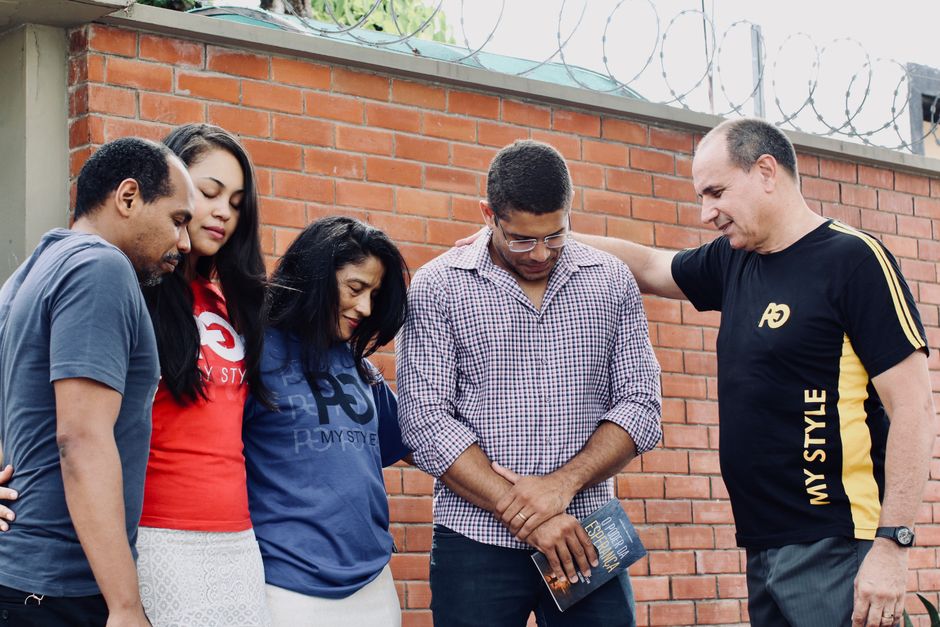
Polished prayer requests can protect us from embarrassment, but they can also keep fear, grief, and doubt outside the conversation we most need to have with God. Honest prayer names what hurts, asks plainly for help, and leaves room for silence, confession, lament, and listening.
In Calcutta, during years of public service that made her a worldwide symbol of faith, Mother Teresa privately wrote about a painful sense of God’s absence. The letters later collected in Mother Teresa: Come Be My Light, edited by Brian Kolodiejchuk, show that this was no brief spiritual dip. Her interior darkness continued for decades, even as she led the Missionaries of Charity and cared for people living in severe poverty.
The contrast is uncomfortable. The public saw confidence, devotion, and tireless work. Her private correspondence recorded longing, loneliness, and questions she did not polish into an inspiring testimony.
Her doubts were not resolved on demand. She continued praying and serving without receiving the emotional certainty that a tidy account might promise.
When prayer becomes a status report
A small group can quietly teach people to edit themselves. One person shares a concern, then quickly adds that everything will work out. Another mentions a frightening medical appointment, then softens it before anyone has time to sit with the fear. A third says work is difficult but immediately lists three reasons to be grateful.
Gratitude matters. Hope matters. Yet both can become ways of leaving the hardest sentence unsaid.
Soon, everyone learns the room’s unwritten rule: bring the update, remove the panic, add a faithful conclusion. Prayer requests begin to sound like reports prepared for approval.
This habit can follow us into private prayer. We explain the situation to God, minimize its effect on us, and rush toward an acceptable ending. We speak as if God needs reassurance that we still believe.
Scripture gives us a wider language. The Psalms include praise, confession, protest, grief, remembrance, and requests that remain urgent. Jesus prayed in Gethsemane with clear anguish and a direct request. Biblical prayer does not require emotional tidiness before approaching God.
Honest prayer makes room for the whole relationship
Prayer includes adoration and thanksgiving, but it also includes lament, confession, intercession, request, and listening. Removing the uncomfortable parts narrows the relationship.
Lament tells the truth about suffering without declaring suffering good. Confession names sin without turning failure into identity. Intercession carries another person’s need without pretending we can control the outcome. Listening creates space where our preferred answer is no longer the only answer we are willing to receive.
Mother Teresa’s letters matter here because they preserve the unresolved middle. They do not offer a quick technique for recovering a sense of God’s presence. They show a person continuing to address God while living with painful spiritual dryness.
That distinction protects us from a harmful promise. Honest prayer does not guarantee immediate relief, a clear answer, restored health, financial security, or freedom from grief. It gives us a truthful way to remain before God within those realities.
A less polished way to pray today
Begin with one sentence you would normally edit out.
“I am afraid this will not improve.”
“I am angry, and I do not know what to do with that.”
“I feel numb when I try to pray.”
“I want a specific answer, and I am afraid of receiving another one.”
Then pause. Resist the urge to correct the sentence or attach a lesson. You may add gratitude later, but let gratitude arise honestly rather than using it to silence pain.
If you lead a group, you can change the room by changing your response. When someone shares something difficult, do not rush to extract the hopeful ending. Thank them for trusting the group. Ask whether they want prayer, practical help, quiet company, or some combination. Respect details they are not ready to share.
Confidentiality also matters. A prayer meeting should never become a distribution network for someone else’s private life. Share only what you have permission to share, and seek qualified pastoral, medical, or mental health support when a situation requires care beyond the group’s role.
Leave one sentence unedited
Mother Teresa’s public work did not erase the darkness described in her letters. Her story offers no formula for producing spiritual comfort. It does, however, challenge the assumption that faithful people must present a clean emotional record.
At your next prayer gathering, listen for the sentence that gets softened before it lands. At home, notice the request you keep rewriting into something safer.
Write that sentence down. Bring it to God without repairing it. Then remain quiet long enough to hear what follows, even if what follows is silence.
Comments
No comments yet.